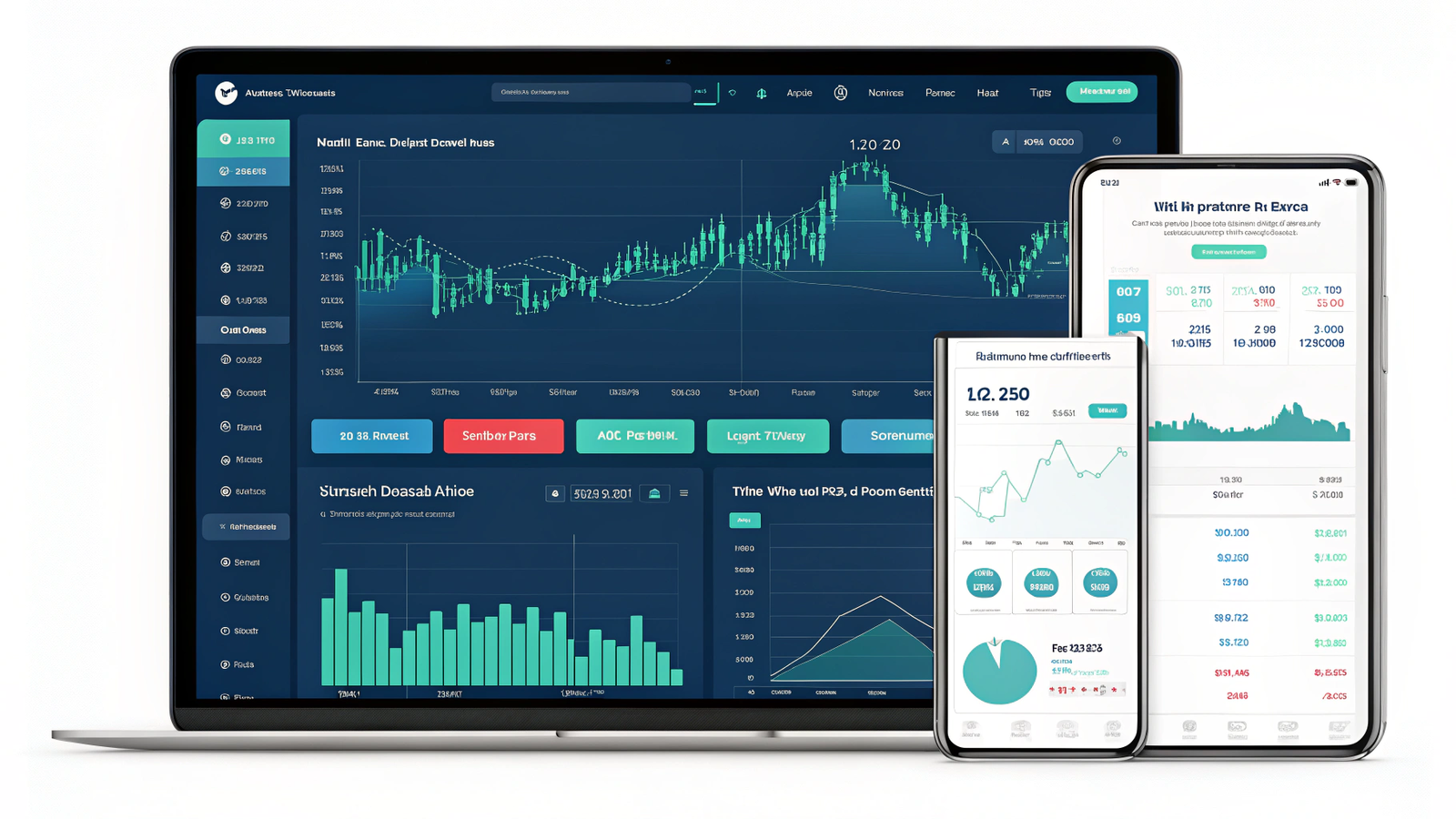
The rise of artificial intelligence in financial markets has created new opportunities for everyday traders. However, it has also opened the door to questionable platforms that make unrealistic promises. When selecting an AI trading system, transparency becomes the most critical factor in separating legitimate technology from empty marketing claims.
Understanding how a trading platform operates, what risks exist, and whether results can be verified helps investors make informed decisions. This article examines why transparency matters in algorithmic trading and explores how one Miami-based company approaches these standards.
Transparency in AI trading means clear disclosure of how systems work, realistic risk acknowledgment, regulatory compliance, and verifiable performance data. Legitimate platforms provide detailed information about their technology, fees, and operational methods rather than relying on vague promises or guaranteed returns.
The Transparency Problem in Automated Trading
The automated trading industry faces a credibility challenge. Many platforms advertise impressive returns without explaining how their systems function or what risks users face. This lack of openness creates several problems for potential users trying to evaluate different options.
Platforms that avoid transparency often share common warning signs. They may promise specific profit percentages, claim zero risk, or use testimonials without verifiable data. Some hide their fee structures or make it difficult to understand how trades are executed. Others operate without clear regulatory oversight or refuse to explain their underlying technology.
These practices harm the entire industry. When users lose money on opaque platforms, they become skeptical of all automated trading systems, including those built on legitimate technology. This makes it harder for credible companies to reach traders who could genuinely benefit from advanced tools.
The currency markets operate 24 hours a day across global time zones, creating opportunities that human traders cannot monitor continuously. Algorithmic systems can process vast amounts of data and respond to market movements faster than manual trading. However, these advantages only matter when the technology operates as described and users understand what they are using.
What Transparency Actually Looks Like
Legitimate trading platforms demonstrate transparency through specific, verifiable practices. Understanding these standards helps users evaluate any system they consider using.
Clear technology explanations form the foundation. Users should understand what data the system analyzes, how it identifies trading opportunities, and what methods it uses to execute trades. While companies may protect proprietary algorithms, they should still explain their general approach in understandable terms.
Risk disclosure represents another essential element. All trading involves the possibility of loss, and honest platforms state this clearly. They explain market volatility, potential drawdowns, and the reality that past performance does not guarantee future results. This contrasts sharply with platforms that downplay risks or suggest trading is a path to guaranteed wealth.
Fee transparency matters significantly. Users should know exactly what they will pay, including subscription costs, performance fees, spreads, or any other charges. Hidden fees erode returns and indicate a platform may not prioritize user interests.
Regulatory compliance provides external validation. Companies operating within established financial frameworks demonstrate accountability to authorities beyond their own marketing materials. This includes proper business registration, adherence to fintech regulation standards, and transparent corporate structure.
Verifiable performance data allows users to assess real results rather than marketing claims. This might include third-party audits, documented trade histories, or independently verified statistics. Platforms that refuse to provide concrete evidence of their performance should raise immediate concerns.
Evaluating Korvato’s Transparency Standards
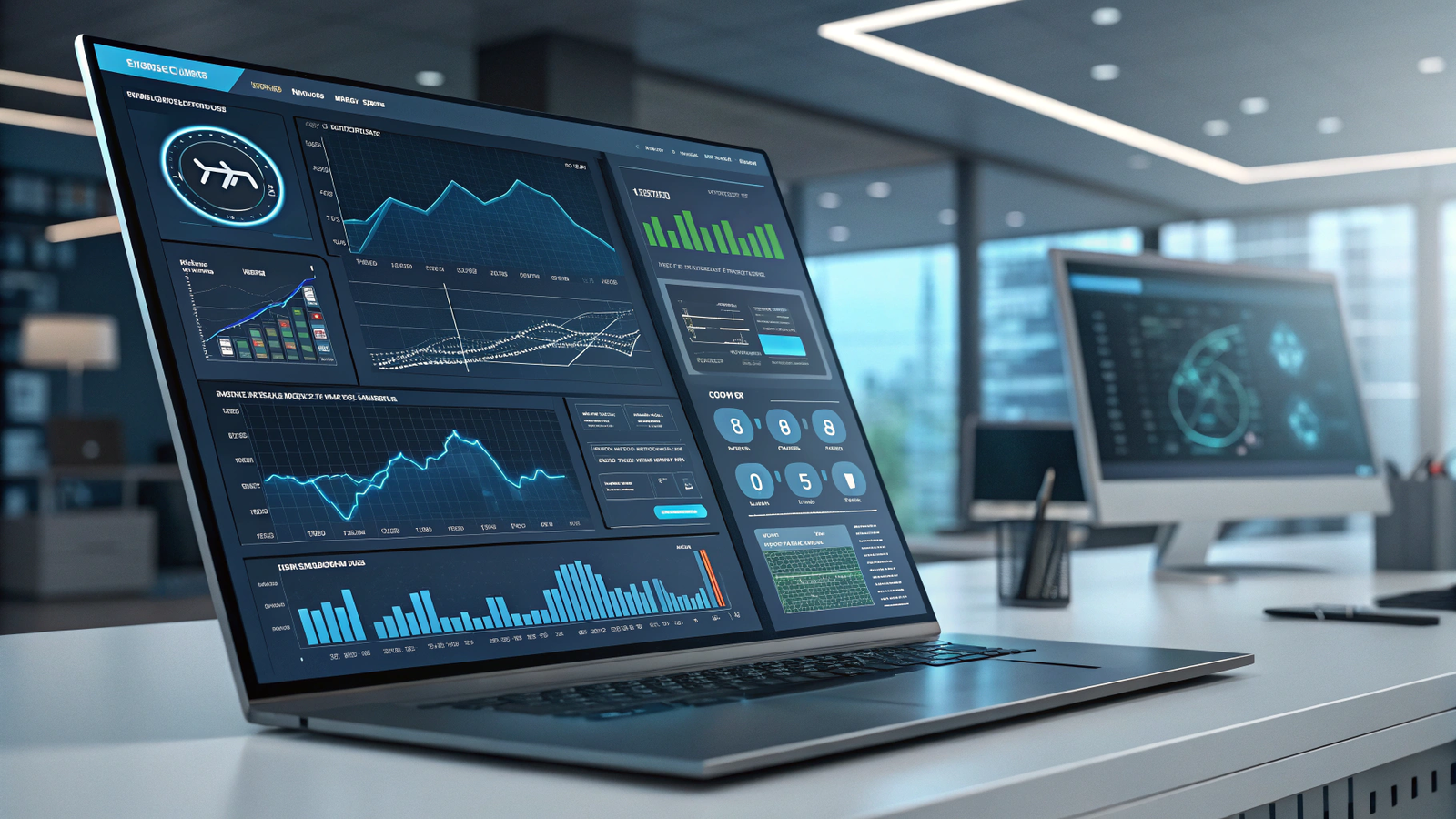
Korvato operates from Miami and focuses specifically on currency market trading through its Optimus AI system. Examining how the company approaches transparency provides a practical case study for the principles discussed above.
The company clearly describes its technology foundation. Optimus AI analyzes real-time forex data to identify market inefficiencies and executes trades automatically. The system operates continuously, monitoring global currency markets across all time zones. Users maintain control over their accounts and capital, with the AI handling execution based on its analysis.
Korvato’s risk disclosure meets industry standards for honest communication. The company explicitly states that all trading involves risk and that users remain responsible for their investment decisions. This acknowledgment appears prominently rather than buried in fine print, indicating a commitment to informed user participation.
The platform’s structure gives users control over risk parameters. Traders can adjust their exposure levels based on personal risk tolerance rather than following a one-size-fits-all approach. This customization allows both conservative and aggressive strategies while keeping decision-making authority with the account holder.
For those researching whether is Korvato legit, the company’s operational transparency provides important verification points. The Miami headquarters establishes a physical business location rather than operating through anonymous offshore entities. The focus on a specific market segment—forex trading—demonstrates specialized expertise rather than claiming to master all asset classes.
The technology removes emotional bias from trading decisions, a documented challenge for human traders. Fear and greed often lead to poor timing and irrational choices. Algorithmic systems follow data-driven logic consistently, though this does not eliminate market risk or guarantee profits.
Questions to Ask Any AI Trading Platform
Whether evaluating Korvato or any other automated trading system, specific questions help assess transparency and legitimacy. These inquiries should receive clear, detailed answers before committing capital.
- How does the underlying technology actually work? Request explanations beyond marketing buzzwords.
- What specific risks exist, and how does the platform manage them? Look for honest acknowledgment rather than minimization.
- What are all costs involved? Ask about every fee, subscription, or charge that might apply.
- Where is the company registered and what regulations apply? Verify business legitimacy and regulatory oversight.
- Can performance claims be independently verified? Request evidence beyond promotional materials.
- Who maintains control of trading capital? Ensure you retain ownership and access to your funds.
- What happens during extreme market conditions? Understand how the system responds to volatility or technical failures.
- How does customer support function? Test responsiveness before investing significant capital.
Platforms that provide straightforward answers to these questions demonstrate transparency. Those that deflect, provide vague responses, or pressure you to invest quickly should be avoided regardless of their marketing appeal.
Reading multiple sources helps build a complete picture. A thorough Korvato review should examine technology claims, business practices, user experiences, and regulatory standing rather than relying on a single source of information.
The Role of User Responsibility
Even the most transparent platform cannot eliminate the need for user diligence. Automated trading tools provide capabilities that human traders cannot match in speed and data processing, but they do not remove the fundamental risks inherent in financial markets.
Users should invest only capital they can afford to lose. This standard applies to all trading activities, whether manual or automated. Currency markets can move rapidly, and even sophisticated algorithms face limitations in predicting future price movements.
Understanding your own risk tolerance matters as much as understanding the technology. Automated systems can be configured for different risk levels, but users must honestly assess their comfort with potential losses. The best AI trading bot for one person may not suit another’s financial situation or psychological makeup.
Continuous monitoring remains important even with automated systems. While the technology handles execution, users should regularly review performance, understand market conditions affecting their trades, and adjust parameters as their circumstances change. Automation assists decision-making but does not replace the need for oversight.
Diversification principles still apply. Concentrating all capital in a single strategy or market creates unnecessary risk. Automated trading can form part of a broader investment approach rather than representing an entire portfolio.
Making Informed Decisions
Transparency serves as the foundation for trust in financial technology. Platforms that openly share how they operate, honestly acknowledge risks, and provide verifiable information enable users to make educated choices about their capital.
The currency markets offer genuine opportunities for traders using advanced analytical tools. Algorithmic systems can process information and execute trades faster than human capabilities allow. However, these technological advantages only benefit users when implemented through legitimate, transparent platforms.
Korvato’s approach demonstrates that transparency and advanced technology can coexist. By clearly explaining its Optimus AI system, acknowledging trading risks, maintaining regulatory compliance, and giving users control over their accounts, the company provides the information necessary for informed evaluation.
Whether you ultimately choose Korvato or another platform, prioritize transparency in your decision-making process. Verify claims through independent research, ask detailed questions, and remain skeptical of any system promising guaranteed returns or risk-free trading. The most powerful technology cannot eliminate market uncertainty, but transparent operations help you understand and manage the risks you choose to take.
Financial markets reward informed participants who understand both opportunities and limitations. Transparency gives you the information needed to participate on those terms rather than relying on hope or marketing promises.
Risk Warning:
Trading financial markets carries a high level of risk and may lead to substantial losses. There are no guarantees of profit or performance. The creators and operators of this trading system are not financial advisors and accept no responsibility for trading results. Automated strategies can be impacted by market volatility, execution delays, or technical failures. You are solely responsible for any trades made using this system. Never invest money you cannot afford to lose.